How to Prioritise When Budget Meets Big Dreams
| Key Point |
Details |
| Knowing What Truly Matters | Focus on personal lifestyle needs, prioritise must-haves over nice-to-haves, involve all household members, avoid costly impulse upgrades |
| Prioritising Surfaces and Elements You Interact With Daily | Invest more in daily-use items like flooring and countertops, choose high-quality durable materials, prioritise features you touch and see most |
| Building Longevity with Practical Material Choices | Select durable, easy-to-maintain finishes and materials suited for Singapore’s climate, prioritise long-term durability and timeless design |
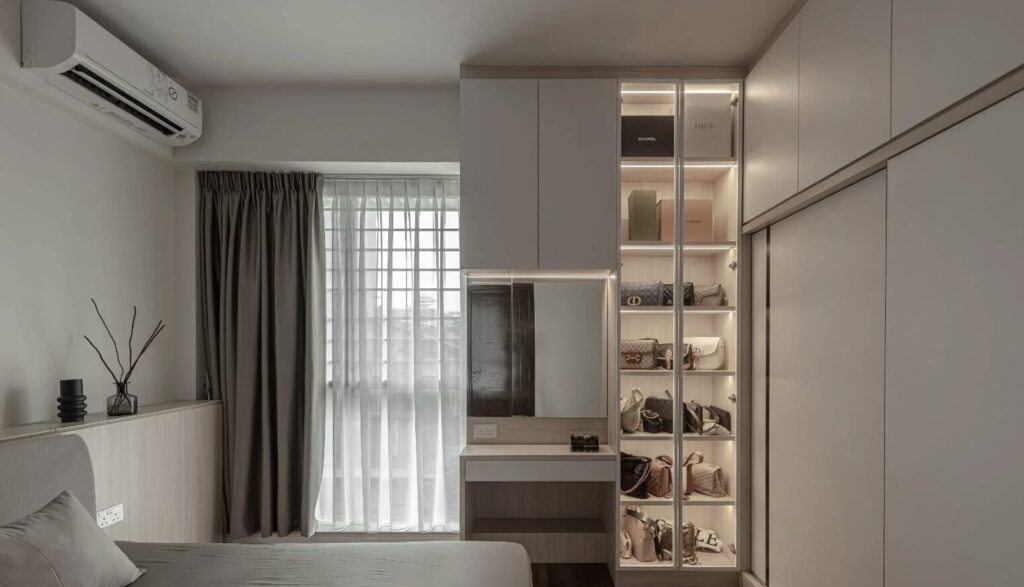
| Allocating Your Budget: Fewer Built-Ins, More Atmosphere | Limit built-in carpentry to essentials, invest in lighting, textiles, and sensory upgrades, keep layout flexible for future changes |
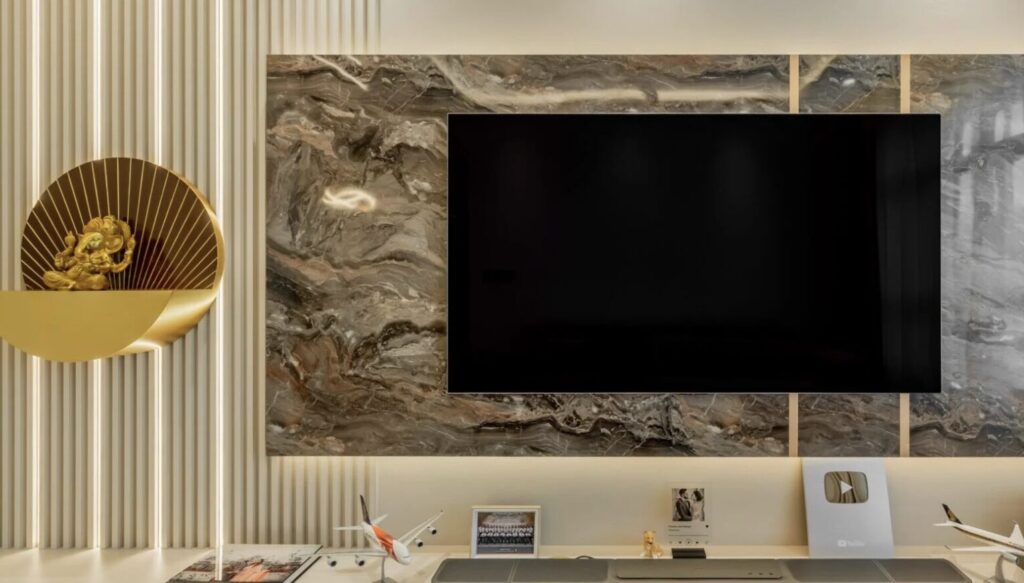
| Investing in a “Hero” Zone: The Power of Focal Points | Focus budget on one standout area (like a kitchen or living room), use bolder features in this space, keep other areas simpler |
| Layering Over Time: Styling Beyond the Initial Renovation | Start with key anchor furniture, add decor items gradually over time, build up character slowly and intentionally |
| Building a Thoughtful Home: Comfort, Longevity, and Joy | Make choices that prioritise lasting comfort and adaptability, regularly reassess needs, and focus on well-being and flexibility in the long run |
For many Singaporean homeowners, embarking on a home renovation journey is an exciting rite of passage—an opportunity to bring dreams to life and shape a space that mirrors personal tastes, routines, and aspirations. Yet, as inspiration boards fill with stunning interiors and buzzworthy trends, practical realities like budget, space constraints, and day-to-day needs often blur the initial vision. The challenge quickly becomes finding a balance between what you love, what you need, and what you can reasonably invest.
Instead of fixating on limitations, true home design begins when you focus on what truly matters. A thoughtfully curated space isn’t defined by the amount of money spent or the number of trends followed. Rather, it is the result of clear priorities, wise choices, and adaptability—a home that feels ‘yours’ in every sense. Whether you’re renovating a cosy HDB flat or a larger family apartment, it’s not about having more, but about making smart, meaningful decisions that enhance comfort and longevity, infuse personality, and bring daily joy.
In this guide, we’ll explore mindful strategies Singaporean homeowners can use to create a beautiful, enduring home—regardless of budget. Each point is designed to help you design confidently, spend wisely, and ultimately, enjoy a space that stands the test of time.
Knowing What Truly Matters: Your Home Should Reflect You, Not Just Your Budget
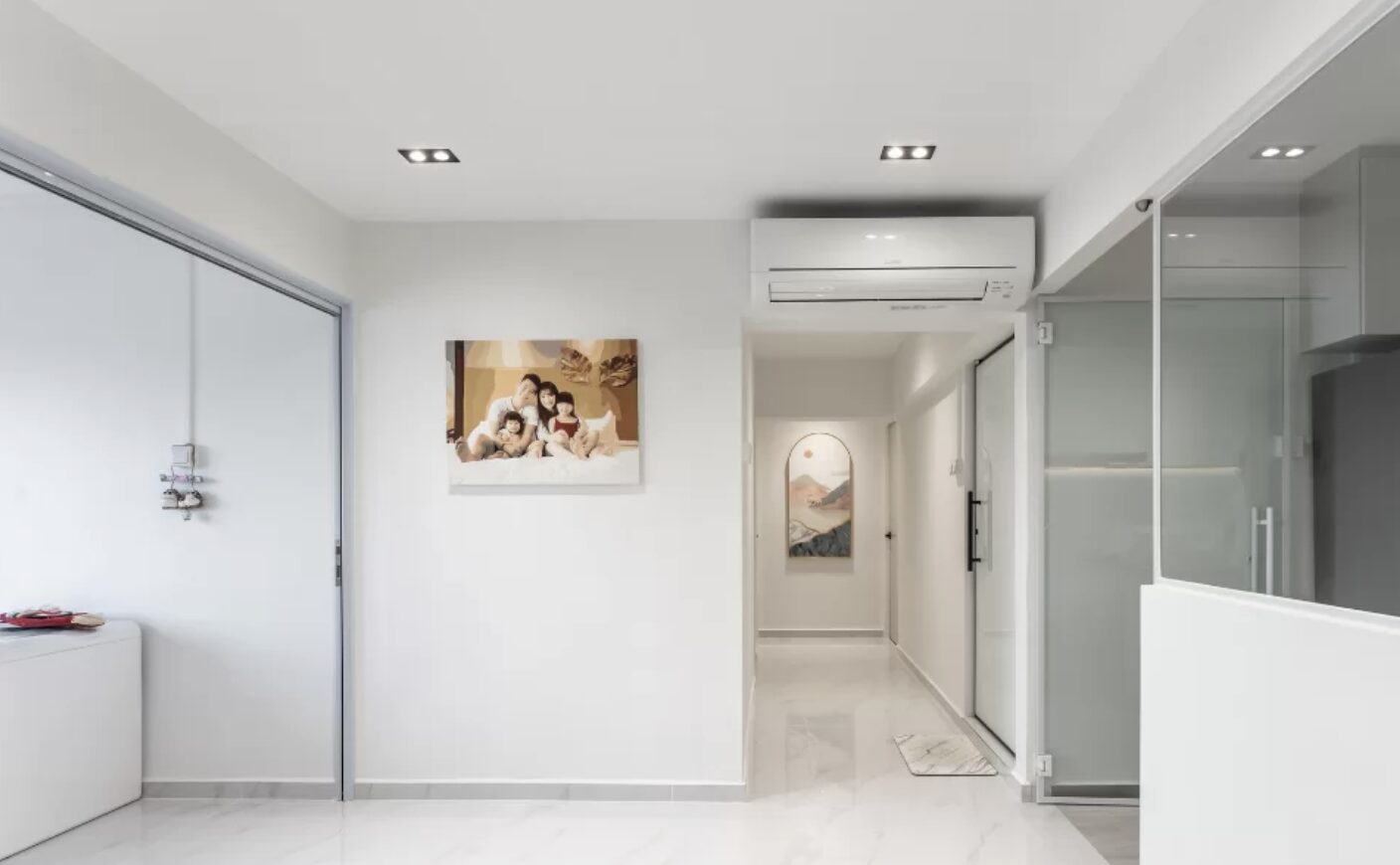
Designing a home is less about copying trends or spending to impress others, and more about building an environment that resonates with your unique lifestyle. Many homeowners in Singapore start their renovation journey full of inspiration: magazine-worthy kitchens, luxury bathrooms, custom carpentry. However, when faced with actual costs, the enthusiasm can take a hit. The key is not to see budget limits as setbacks, but as clarifying moments that help you focus on what matters most.
A well-designed home delivers both style and substance. This doesn’t mean splurging indiscriminately; it means being intentional—identifying what brings you comfort and joy, as well as what gives your home personality. This mindset leads to smarter, more satisfying choices. For example, you may realise an open, social kitchen is more important to you than a built-in display cabinet. When you align your renovation spend with your deepest values and daily routines, the final result feels truly “yours,” regardless of budget. Here are some interior design ideas specially suited for Singapore’s HDB living.
Prioritising Surfaces and Elements You Interact With Daily
Your interaction with your home is physical and sensory—think about the surfaces your feet touch, your hands rest on, and your eyes see constantly. Designers advise you to concentrate your budget on these “high-touch” areas because they shape your day-to-day experience more than rarely used decorative features.
Flooring, kitchen worktops, and lighting are especially important. The flooring sets a tactile foundation, enduring heavy use and influencing how ‘warm’ or ‘cool’ a space feels. Kitchen counters are both workspace and visual centrepiece, while well-placed lighting can completely alter ambience and mood.
To achieve a luxurious yet practical finish, budget-friendly solutions like high-quality porcelain and sintered stone are invaluable. Modern products from Earth Stone provide beautiful and durable surfaces that mimic the appeal of real timber or stone, without their typical downsides like high maintenance, excessive cost, or vulnerability to Singapore’s humid climate. Ultimately, investing smartly in these foundational touches gives your entire home a sense of comfort and polish that belies its actual cost. Discover 5 tell-tale signs that it’s time to change your flooring.
Building Longevity with Practical Material Choices
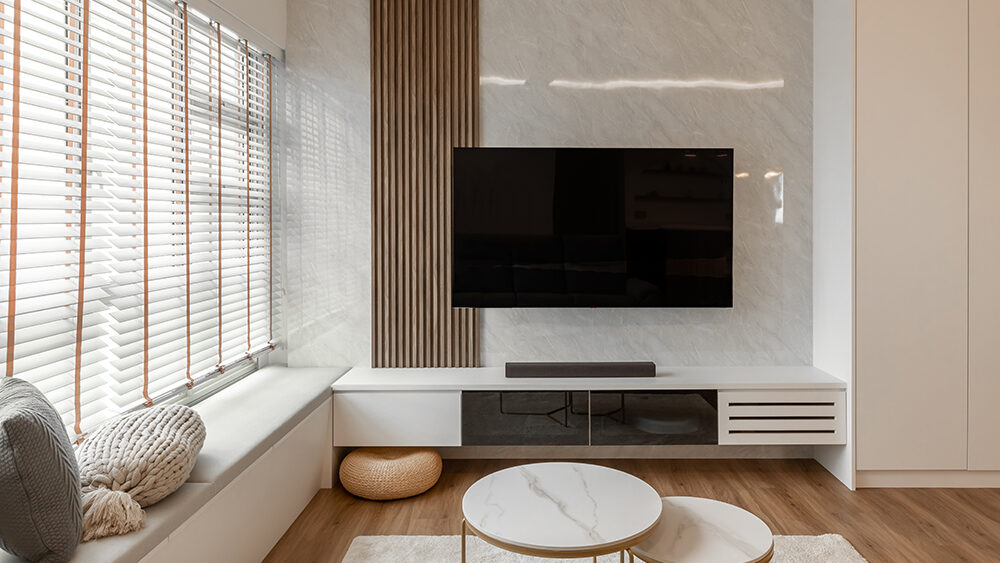
A beautiful home shouldn’t just “wow” on the day you move in; it should maintain its style and feel after years of use. Discriminating between temporary trends and enduring materials is essential for long-term satisfaction and practicality. Engineered wood panels and textured laminates offer the warmth and depth of natural wood but with increased resistance to dents, stains, and humidity—a major plus in Singapore’s environment.
Brands like Syntech Timber produce panels designed to age gracefully, creating organic, calming effects suited for small HDB flats or larger condos alike. Standard paint or generic surfaces may look fine initially but can show age quickly; investing a bit more upfront in resilient finishes saves on future repairs or replacements.
Choosing thoughtfully-layered materials—coordinating colours, using a mix of matte and gloss, and combining subtle patterns—brings intentional design without extra cost. This approach makes each room feel curated and cohesive. The focus isn’t on price, but on the right fit: practical upgrades that look relevant for years and suit the way you actually live.
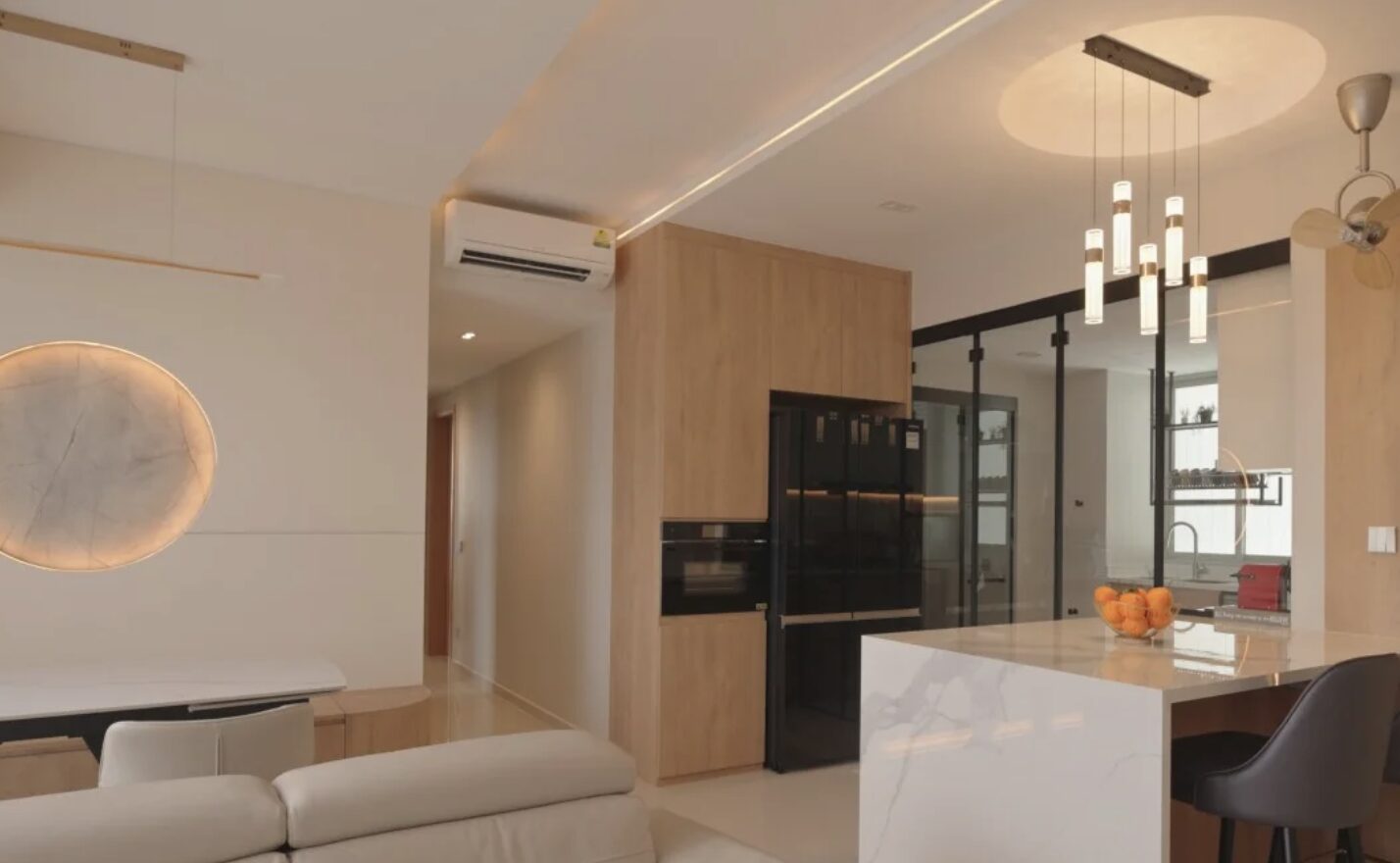
Allocating Your Budget: Fewer Built-Ins, More Atmosphere
Custom carpentry is often seen as a ‘must’ in Singapore due to the popularity of storage solutions. However, excessive built-in furniture can dominate budgets and restrict how you use your home in the future. Once cabinets are installed, reconfiguring your space is difficult and costly.
A smarter allocation is to restrict major carpentry works to functional areas—think kitchen cabinets, essential wardrobes, and necessary storage. This keeps your layout flexible and allows you to update easily, whether through paint, furnishing swaps, or new decor over time.
Instead, direct a slice of your budget to sensory and atmospheric upgrades: layered lighting (warm and cool moods), plush fabrics, and home scents. Lighting affects everything from productivity to relaxation. Ambient scents from brands like DW Home quickly make spaces more inviting and distinctive, with minimal expense. Together, these touches create a sense of luxury and personality, often outshining more expensive but impersonal carpentry.
Investing in a “Hero” Zone: The Power of Focal Points
Every effective home design has one standout area—a ‘hero zone’ that defines the rest of the space. This could be a kitchen island where the family gathers, a spa-quality bathroom for daily rejuvenation, or a living room designed for both entertainment and downtime.
Instead of spreading your budget thin making all rooms equally flashy, concentrate 30-40% of your funds on this chosen focal point. Outfit it with quality materials, custom features, and creative design touches. This zone should express your taste, accommodate your lifestyle needs, and deliver an experience you look forward to every day.
When your “hero” space is completed with genuine care, the rest of the home can remain simpler yet still feels intentional and harmonious. Visitors’ eyes—and your own—are naturally drawn to the best, most functional part of your home, helping the entire renovation feel successful without overspending everywhere. Take inspiration from 20 stunning renovation ideas by Singapore’s top IDs.
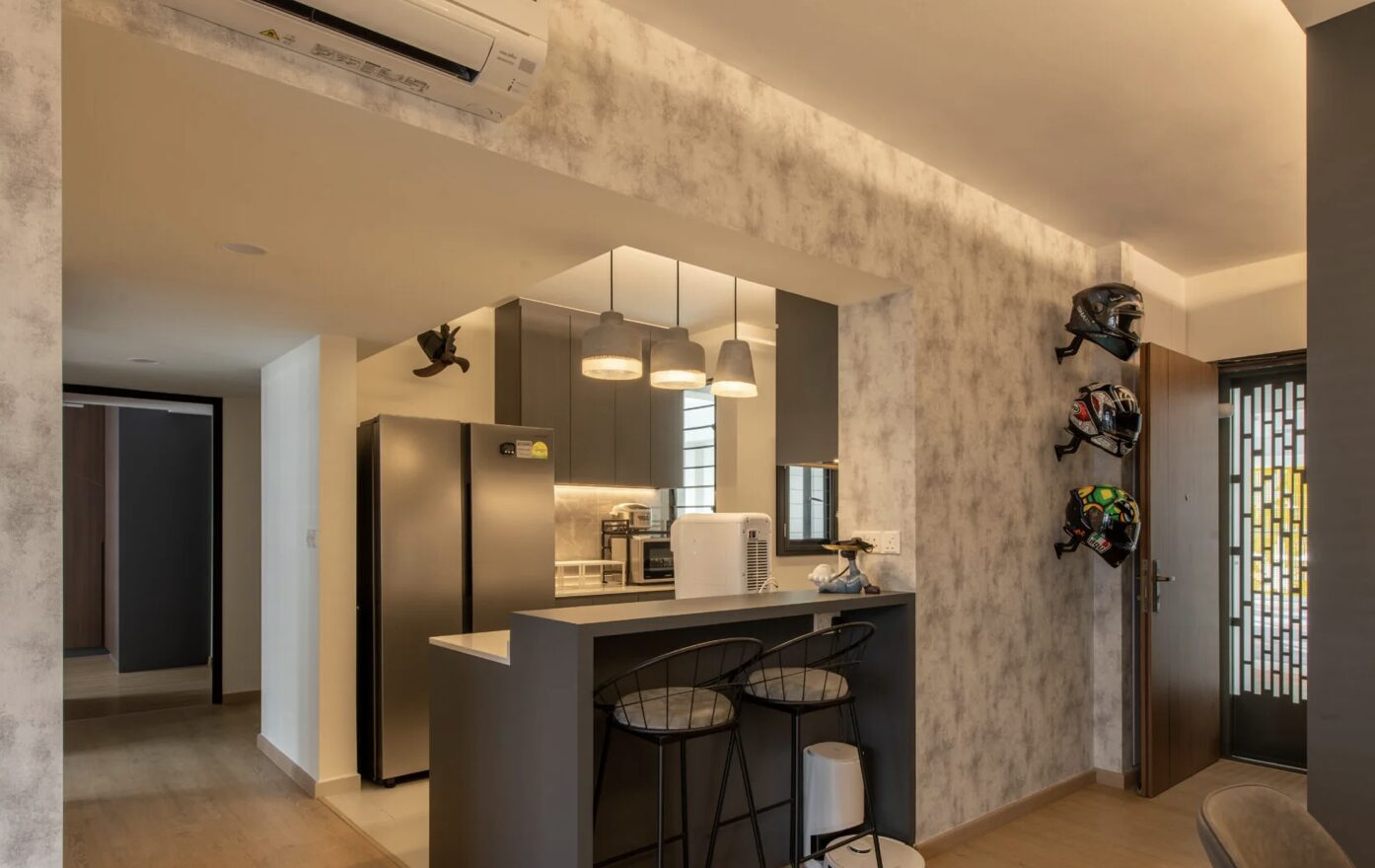
Layout and Space Planning That Shapes Habits
Design isn’t only about form — it’s about behavior. A thoughtfully arranged space can gently guide residents toward more energy-efficient habits.
Even simply relocating the study desk to face a window in your 4-room HDB flat can increase daylight exposure and reduce reliance on desk lamps during the day. This small change can cut daytime lighting use by 5–10 kWh per month, helping the home become more energy-efficient with minimal effort. Positioning work zones near windows reduces reliance on artificial light. Smart plugs and visible switches in high-traffic areas serve as everyday reminders to conserve energy. Even furniture placement — keeping airflow paths open — makes a noticeable difference.
When the home’s layout aligns with daily routines, sustainability becomes instinctive rather than imposed. Residents move, switch off, and open windows as part of a seamless pattern of living. If you’re considering layout updates, Explore why you should go with an open concept living room for better energy flow.
Tip: Arrange your most-used areas — the dining table, workspace, or play area — near sources of natural light and ventilation. The more comfortable these spaces feel naturally, the less you’ll rely on electricity to enhance them.
Lifestyle Benefits Beyond Energy Savings
Smart design does more than lower utility bills — it reshapes the way we live. Homes that optimise light, airflow, and efficiency nurture a calmer, healthier rhythm. Natural illumination improves mood, good ventilation enhances air quality, and thoughtful materials create a sense of balance.
Over time, these design choices foster mindfulness. Householders become more conscious of consumption, more connected to their surroundings, and more attuned to sustainable living. If you wish to subtly transform your lifestyle and your household’s future, consider these tips for green living and making your home sustainable. The result is a lifestyle that feels effortless — where saving energy isn’t a chore, but a way of life.
Energy efficiency begins long before the first light switch is flipped — it starts with design intention. When a home is shaped around natural light, cross-ventilation, sustainable materials, and intuitive technology, energy-saving becomes second nature.
The most effective designs don’t demand effort; they gently influence everyday behavior. Through thoughtful planning and aesthetic sensitivity, Singapore homeowners can create spaces that are comfortable, efficient, and beautifully aligned with a sustainable future. A home that supports energy-saving isn’t built with gadgets — it’s built with intention.
FAQ
1. How do I decide which areas of my home to prioritise when renovating on a budget?
Start by listing the spaces and features that have the most impact on your daily life such as flooring, lighting, and high-use rooms like the kitchen or living room. Prioritise upgrades that improve your comfort, lifestyle, and overall atmosphere.
2. Are built-in carpentry solutions always necessary in Singapore homes?
Not always. While built-ins can be efficient, too many can eat up your budget and make future changes hard. Restrict permanent carpentry to essential storage and invest in flexible furnishings and atmospheric touches like lighting or textiles.
3. What are some durable yet stylish material choices for Singapore’s climate?
Look for engineered wood, high-quality laminates, and surfaces designed to resist humidity and wear. These materials combine style, durability, and easy maintenance, making them ideal for Singaporean homes.
4. Is it better to splurge on one part of my house or spread my budget evenly?
Focusing a larger proportion of your budget on a “hero” zone like a kitchen island or living room feature wall makes your renovation more impactful. The rest of the home can be kept simpler without feeling neglected.
5. How do I make my home feel complete if I can’t afford to finish everything at once?
Start with high-quality basics and add décor and personal touches over time. Layering in art, textiles, and accessories gradually helps your space evolve with you and prevents overspending upfront.
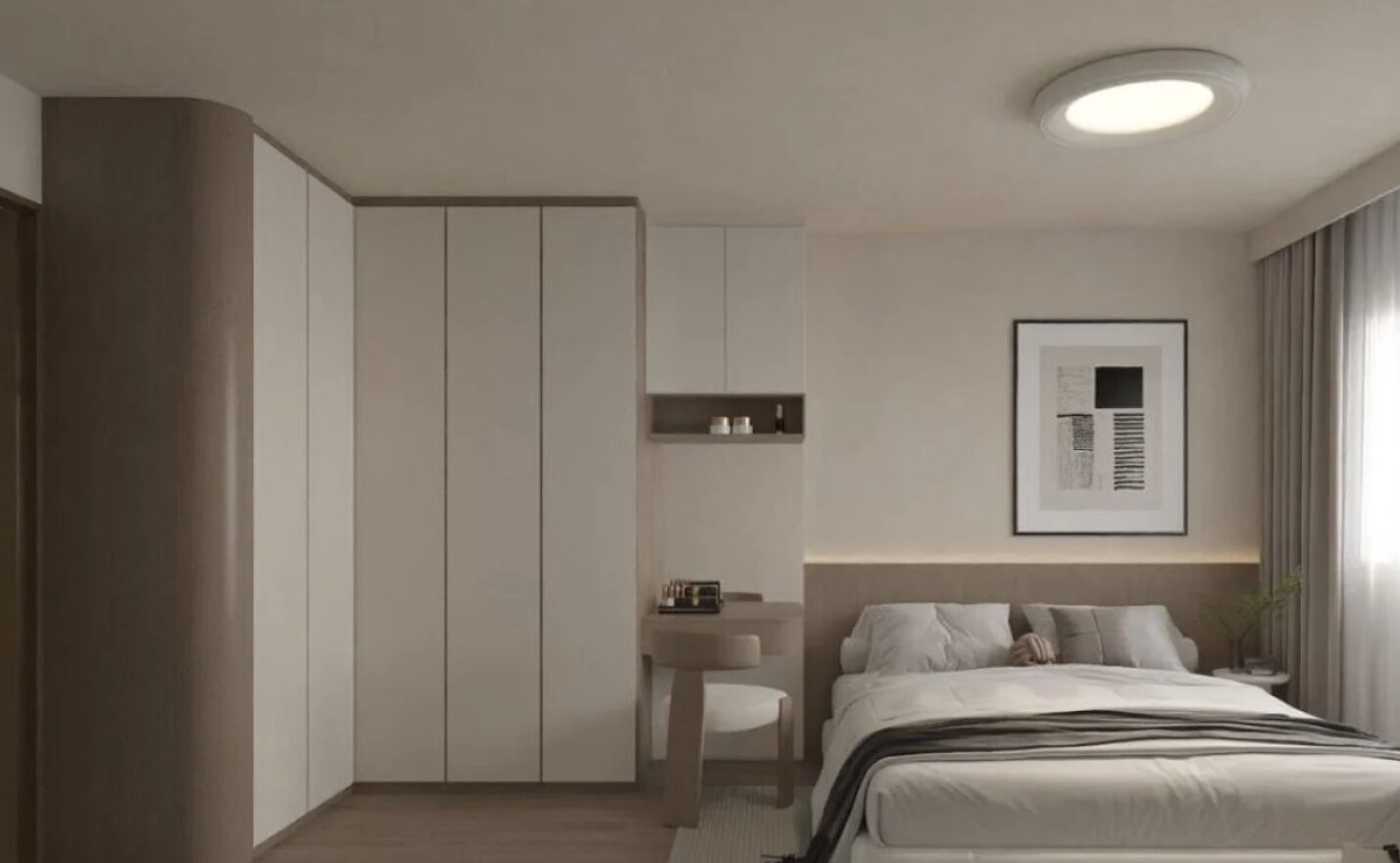
Thoughtful, enduring homes begin with clear priorities making smart choices in layout, features, and materials that match your lifestyle.
When you’re ready to refresh your space, connect with us and we’ll match you with designers who can turn these practical ideas into a home that truly feels yours.